
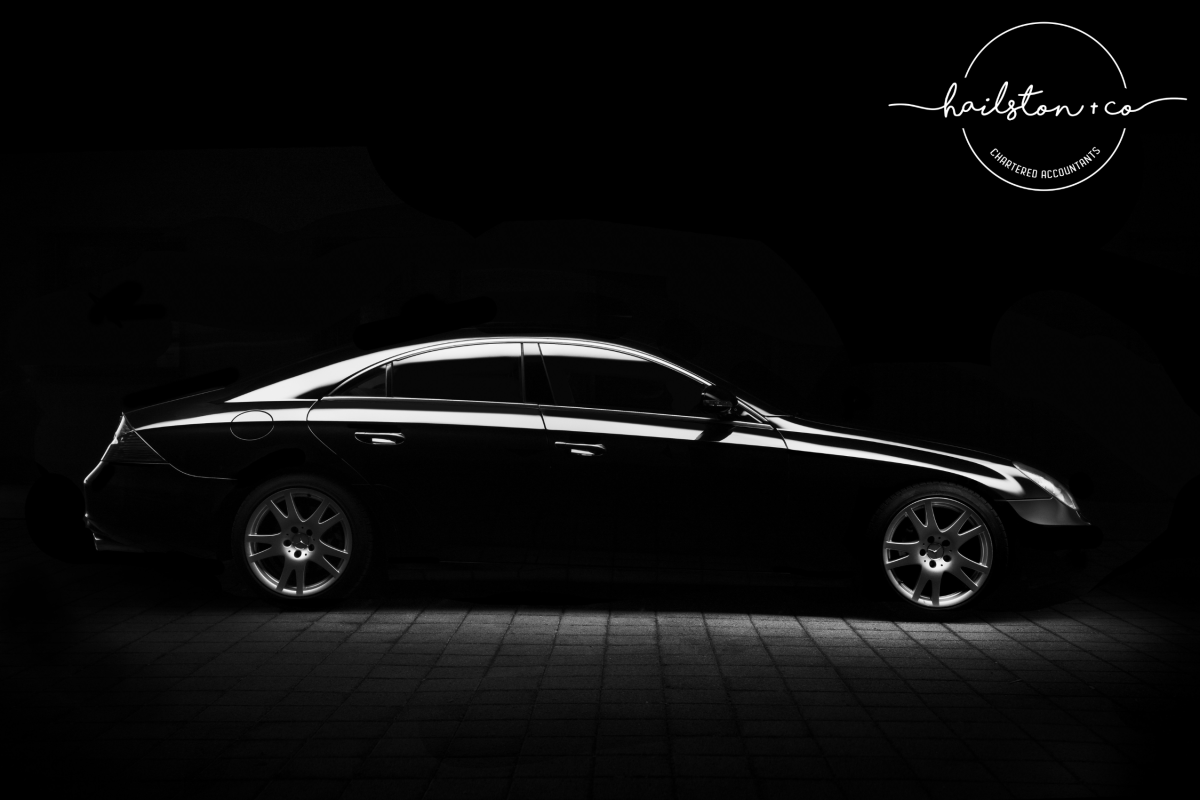
The ATO’s 2026 FBT focus is clear: cars, parking, entertainment, and documentation. With the removal of the plug-in hybrid exemption and continued scrutiny on problem areas, employers should review their FBT position to avoid costly surprises
Fringe Benefits Tax (FBT) 2026: The ATO Hit List and Key Changes Employers Need to Know
As the Fringe Benefits Tax (FBT) season approaches, employers should review benefits provided to staff and ensure the correct treatment has been applied. For the 2026 FBT year (1 April 2025 to 31 March 2026), the ATO continues to focus on common problem areas — particularly motor vehicles, employee contributions, entertainment, car parking and record-keeping.
What is FBT?
FBT is a tax paid by employers on certain non-cash benefits provided to employees or their associates in connection with employment. These can include:
- company cars used privately
- car parking
- entertainment and meal expenses
- employee reimbursements
- low-interest loans
- housing and accommodation
- salary packaged benefits
FBT is separate from income tax and is based on the taxable value of the benefit provided.
FBT due dates for 2026
For the FBT year ending 31 March 2026:
- 21 May 2026 – paper lodgment and payment
- 25 June 2026 – electronic lodgment via tax agent
Key 2026 rates and thresholds
- FBT rate: 47%
- Benchmark interest rate: 8.62%
- Car parking threshold: $11.03 per day
The increase in the car parking threshold is modest but may still trigger liabilities where parking rates have increased.
Key change for 2026: plug-in hybrid vehicles
From 1 April 2025, plug-in hybrid electric vehicles (PHEVs) are no longer eligible for the FBT exemption as zero or low emissions vehicles.
Transitional rules may still apply where arrangements were in place before this date, however new arrangements will generally not qualify. The exemption continues to apply to eligible battery electric and hydrogen fuel cell vehicles.
The ATO hit list for FBT 2026
1. Motor vehicles and private use
Cars remain the primary audit focus.
Key issues include failing to lodge FBT returns, treating vehicles as exempt incorrectly, overlooking private use (including home-to-work travel), and not maintaining valid logbooks.
Essentially if a business has a motor vehicle, an FBT return should be lodged [even if exempt]
2. Employee contributions
The ATO is closely reviewing whether employee contributions are properly documented. Informal adjustments or unsupported journal entries may not be accepted, particularly for car fringe benefits.
3. Entertainment and meals
Entertainment expenses are frequently misclassified. If deductions or GST credits are being claimed, the FBT treatment must also be considered and applied consistently.
4. Car parking
Employers need to assess whether parking provided to employees creates an FBT liability. The $11.03 daily threshold and proximity to commercial parking stations remain key tests.
5. Record-keeping
A recurring issue is insufficient documentation. Employers must be able to substantiate logbooks, travel, entertainment, declarations and exemption eligibility.
Motor vehicle policies and logbooks
A clear motor vehicle policy helps define acceptable use and reduces risk. Log books remain critical in supporting business use percentages and reducing FBT exposure.
Without proper records, employers may default to less favourable valuation methods and increase their FBT liability.
What employers should do
Before lodgment, employers should:
- identify all benefits provided during the FBT year
- review PHEVs previously treated as exempt
- assess private use of company vehicles
- ensure employee contributions are documented
- review entertainment expenses and coding
- assess car parking exposure
- confirm all records and declarations are complete
Final thoughts
The ATO’s focus for 2026 remains consistent — cars, parking, entertainment, employee contributions and record-keeping.
The key change this year is the removal of the plug-in hybrid exemption for most new arrangements.
Employers that take a proactive approach to reviewing their FBT position will be better placed to avoid unnecessary tax, penalties and ATO scrutiny.